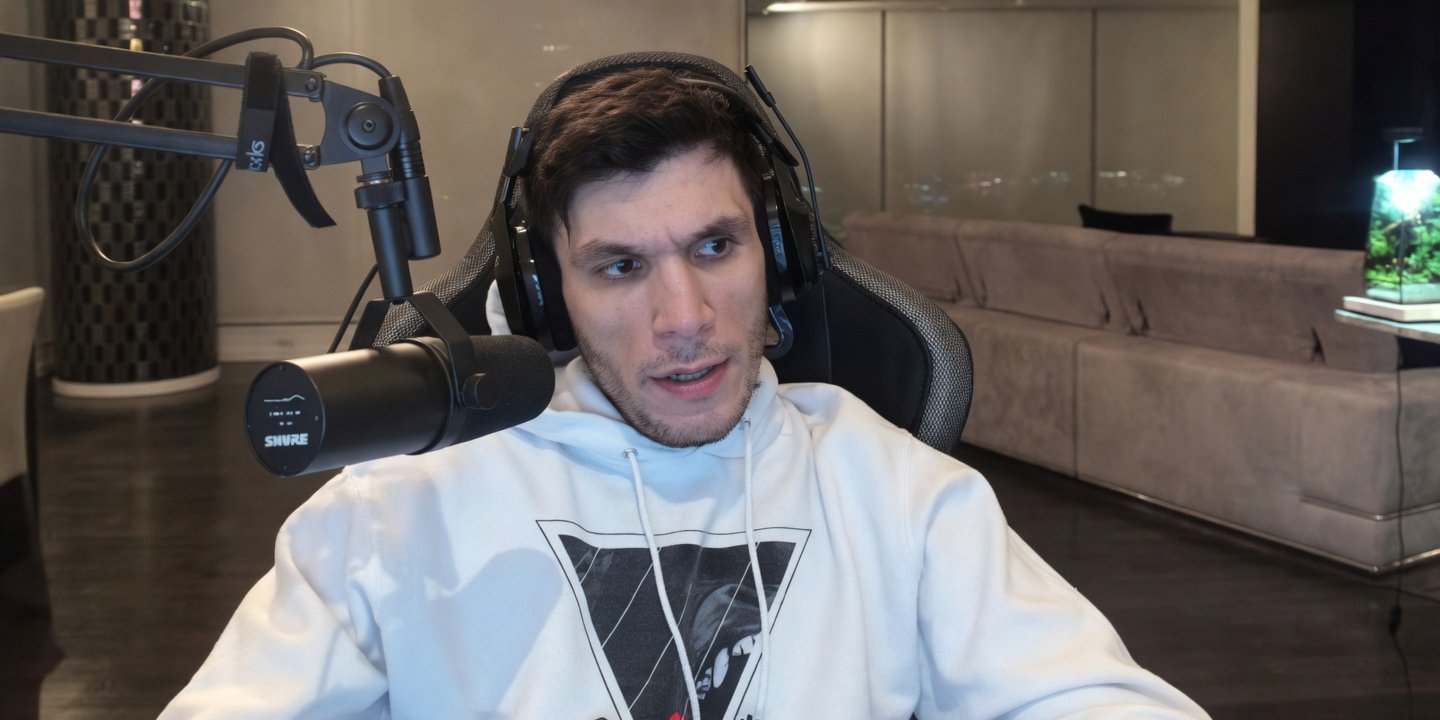
Tyler “Trainwreckstv” Niknam, the popular Kick co-founder and streamer, landed in hot water this week with Valorant. On May 8, 2026, Riot Games issued him a full 31-day competitive ban. At first, many assumed it was just a case of a lower-skill player getting carried in a 5-stack. However, Riot quickly clarified the situation — and the details point directly to alleged boosting and rank manipulation.
Trainwreckstv Valorant Ban: What Actually Triggered the 31-Day Suspension?
The controversy started when Trainwreckstv queued ranked with a high-profile 5-stack featuring pros like Prod, Sinatraa, Dapr, and Hmanyontwitch. Five-stacking is fully allowed in Valorant, of course. Moreover, it’s a common way for friends and creators to play together.
Yet Riot’s systems flagged the matches almost immediately. As a result, Trainwreckstv received the lengthy ban for manipulating ranks. Naturally, the streaming world erupted with questions: Was this targeted? Was he simply getting carried too hard? Or did something more serious happen behind the scenes?
Riot GamerDoc Explains the Trainwreckstv Boosting Allegations
Riot anti-cheat analyst GamerDoc stepped in on X to shut down the early narratives. He made it crystal clear: this wasn’t a standard 5-stack with everyone on their own personally leveled accounts.
According to GamerDoc’s statement:
- One Immortal-level player in the group had a history of boosting bans on their main.
- That player swapped between multiple lower-rank smurfs and shared accounts they didn’t own.
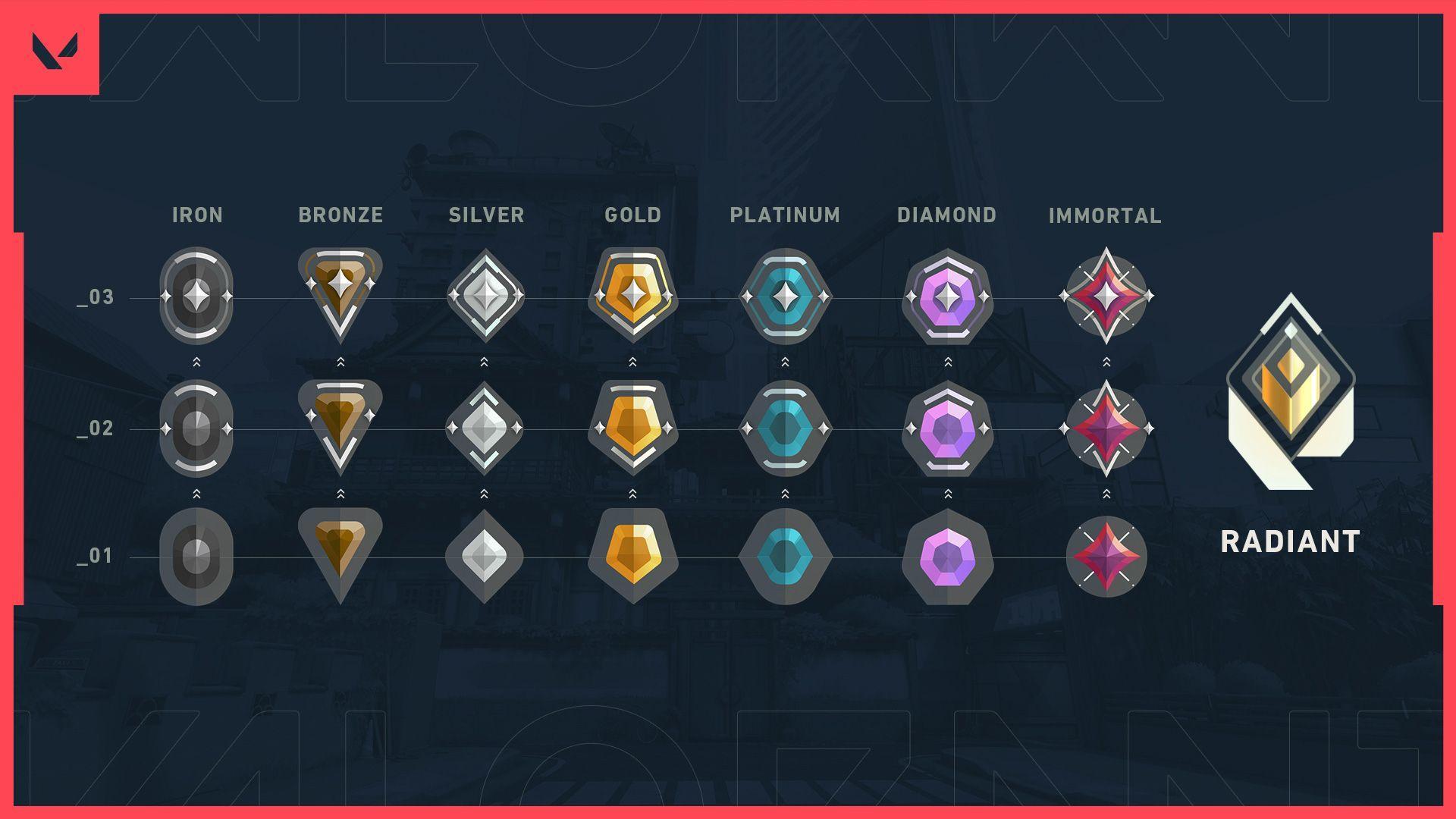
- The stack posted an impressive ~80% win rate across roughly 50 games.
- This directly violated Riot’s Terms of Service (Section 15a) on account sharing and intentional boosting.
Furthermore, GamerDoc emphasized that proper 5-stacking on hand-leveled personal accounts remains completely fine. The repeated use of alts and shared accounts crossed the line into clear rank manipulation territory.

Why the Trainwreckstv Valorant Ban Highlights Bigger Ranked Integrity Issues
Boosting and smurfing have plagued Valorant’s competitive ladder for years. On one hand, players enjoy queuing with friends of any rank. On the other hand, massive skill gaps and unnatural win rates destroy matchmaking for everyone else.
In Trainwreckstv’s case, the dominant performance raised immediate red flags. Additionally, the Immortal player’s prior offenses made the situation far more serious. Riot has ramped up enforcement lately, and this high-profile action sends a loud message: no one — not even massive streamers — gets a free pass on boosting.
Trainwreckstv himself pushed back hard on stream, calling the ban inconsistent and potentially targeted. Meanwhile, xQc publicly questioned Riot’s enforcement, which only added fuel to the fire. Some fans even pointed to Trainwreckstv’s stats (high round win rate but lower damage and KAST) as signs he was being carried.
Allowed 5-Stacking vs. Prohibited Boosting: Valorant Rules Clearly Explained
To avoid confusion, here’s a straightforward breakdown of Riot’s current stance:
- Fully Allowed in Valorant:
- Playing ranked in a 5-stack
- Every player using their own, personally leveled accounts
- Natural skill differences between friends
- Strictly Prohibited (Leads to Bans):
- Using smurf or shared accounts you don’t personally own
- Intentionally manipulating ranks through boosting
- Repeated high win rates from mismatched accounts — especially with repeat offenders
Riot has stated repeatedly that five-stacking is still encouraged when done correctly. The moment account sharing or alt cycling enters the picture, however, it becomes blatant boosting.
Trainwreckstv’s Reaction and What Happens Next After the Valorant Ban
Right now the 31-day ban is active, so Trainwreckstv won’t return to competitive Valorant until early June 2026. He has continued streaming other titles and voicing strong frustrations about the decision. At the same time, the broader community keeps debating whether the punishment was fair or overly harsh.
This entire incident shines a spotlight on a larger esports question: How strictly should Riot police boosting when pros and big creators are involved? Furthermore, it proves Riot’s ongoing commitment to ranked integrity — even when it draws backlash from popular personalities.
In the end, whether you side with Trainwreckstv or Riot, one fact stands out: boosting in Valorant now carries serious, public consequences — even for the biggest names in streaming. The ranked ladder is watching.
More: Lacy Calls Out xQc for Alleged Viewbotting on Twitch in Viral Clip